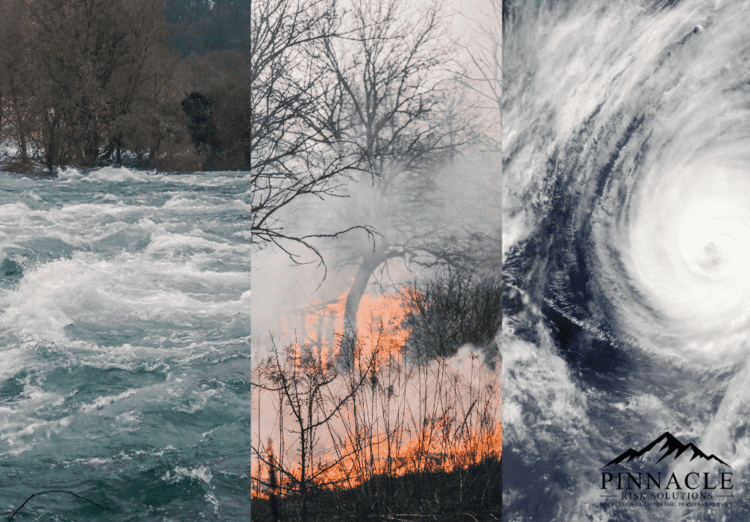
Natural disasters have always been a factor in insurance, but in recent years, their frequency and severity have increased significantly. From hurricanes and floods to wildfires and severe storms, these events are causing billions of dollars in damages and forcing the insurance industry to adapt. As risks continue to evolve, homeowners are seeing changes in coverage options, premiums, and policy requirements.
More frequent and severe disasters
Across the globe, communities are experiencing a growing number of weather-related disasters. Severe storms, flooding, wildfires, and other catastrophic events are occurring more often and causing greater damage than in previous decades.
For insurance providers, this means higher claim volumes and larger payouts. As a result, insurers must continuously reassess the risks associated with specific regions, property types, and environmental conditions to ensure they can continue providing reliable coverage.
The impact on Insurance pricing and availability
One of the most noticeable effects of increasing natural disasters is the impact on insurance costs. As insurers face greater financial exposure, premiums may rise to reflect the increased risk.
In some high-risk areas, homeowners may also find that insurance options become more limited. Certain insurers may reduce coverage offerings, adjust policy terms, or require additional protections before providing coverage. These changes are designed to help insurers manage risk while maintaining long-term financial stability.
While rising premiums can be frustrating, they often reflect the growing costs associated with repairing and replacing property after major disasters.
Expanding risk considerations for homeowners
Today's homeowners need to think beyond traditional risks when evaluating their insurance needs. Factors such as flood exposure, wildfire risk, severe weather patterns, and local infrastructure resilience are becoming increasingly important.
Homeowners should regularly review their policies to ensure they have adequate protection for current conditions. It's also wise to understand what is and isn't covered under a standard homeowners insurance policy. In some cases, additional coverage may be necessary to protect against specific regional risks.
Taking proactive measures—such as strengthening roofs, improving drainage systems, or implementing fire-resistant landscaping—can also help reduce potential losses and may even qualify homeowners for certain insurance discounts.
How the Insurance industry is adapting
The insurance industry is responding to these challenges through innovation, updated underwriting practices, and enhanced risk assessment tools. Advanced data analytics, satellite imagery, predictive modeling, and real-time weather monitoring are helping insurers better understand and price risk.
Insurers are also updating policy structures and coverage options to address emerging threats. These changes allow insurance providers to remain financially resilient while continuing to offer valuable protection to policyholders.
At the same time, regulators and industry leaders are working together to improve transparency and ensure consumers have access to the information they need when making coverage decisions.
Preparing for the future
Natural disasters are likely to remain a significant factor in the insurance landscape for years to come. While no one can predict exactly when or where the next disaster will occur, homeowners can take steps today to better protect their property and financial future.
Reviewing your coverage regularly, understanding your risks, and working with a trusted insurance professional can help ensure you're prepared for whatever comes next.
At Pinnacle Risk Solutions, we're committed to helping homeowners navigate an evolving risk environment with confidence. Our team can help you assess your coverage needs and find solutions that provide peace of mind in an increasingly unpredictable world.